

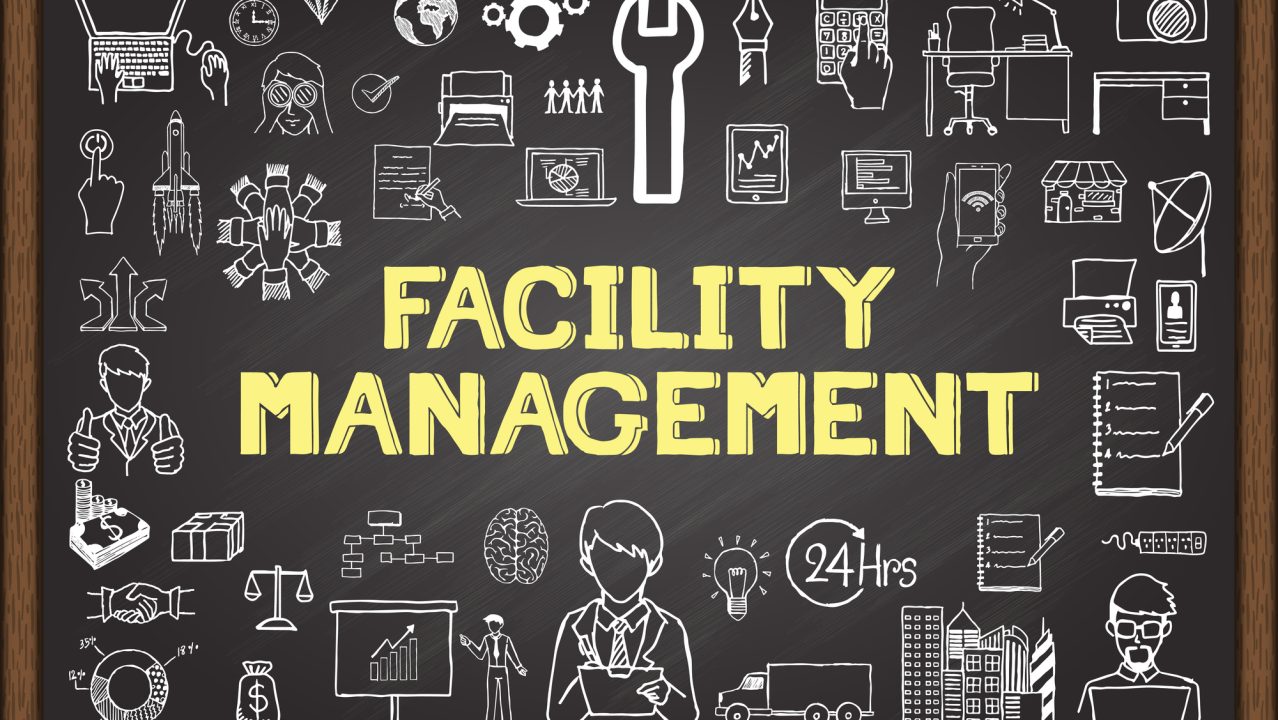
In today’s dynamic business world, effective facility management is crucial for organizations aiming to optimize their operations and enhance employee productivity. Facility Management Services encompass a wide range of roles and solutions that ensure the seamless functioning of buildings and workspaces. This article explores the core areas of facility management, highlighting the essential services that contribute to a better workplace environment.
Core Facility Management Services
At the heart of detailed roles and services in facilities management are essential services that maintain the daily operations of a building. These are typically categorized into hard and soft services. Hard services include building management, property maintenance, and space management, focusing on the physical infrastructure and systems. Soft services encompass cleaning, security, and catering, which support the comfort and well-being of employees. A proficient facility manager oversees these tasks, ensuring that the infrastructure and services support the organization’s needs efficiently.
Technical Facility Management Services
Technical services focus on the operation and maintenance of building systems such as HVAC, electrical, and plumbing. Implementing predictive maintenance through IoT sensors helps in anticipating issues before they become critical, thereby reducing downtime and enhancing efficiency. Advanced software and integrated workplace management systems (IWMS) enable managers to streamline these technical operations effectively.
Environmental and Energy Services
Sustainability is a growing priority, and facility management plays a key role in promoting an eco-friendly environment. Energy management solutions, including energy-efficient systems and renewable energy sources, help organizations achieve cost savings and reduce their carbon footprint. By optimizing energy usage, companies not only save money but also contribute to a greener future.
Space and Workplace Management Services
Effective space management is vital for maximizing the use of available workspace. Facility Management Services include planning and designing flexible workspaces that accommodate hybrid work models. Utilizing IWMS and analytics, managers can make data-driven decisions to enhance workspace utilization and create a comfortable and productive office environment.
Administrative Facility Services
Administrative services support the operational aspects of facility management, including project management, budgeting, and vendor management. These tasks are essential for maintaining smooth operations and ensuring that all facility-related projects are completed on time and within budget. A well-organized administrative department helps the facility management company meet its goals effectively.
Health and Safety Services
Ensuring a safe and healthy workplace is a critical responsibility of facility management. This includes implementing safety protocols, conducting regular inspections, and maintaining compliance with health regulations. By prioritizing health and safety, organizations can protect their employees and create a secure working environment.
Technology Integration in Services
The integration of technology is transforming facility management. Tools like IoT, IWMS, and building management software enhance the ability to monitor and manage facilities efficiently. These technologies provide real-time data, enabling managers to make informed decisions and improve overall operational efficiency.
Outsourcing Facility Management Services
Many organizations choose to outsource their facility management to specialized companies. This approach allows businesses to focus on their core activities while leveraging the expertise of facility management professionals. Outsourcing can lead to cost savings, improved service quality, and access to advanced technologies.
Measuring Service Effectiveness
To ensure Facility Management Services are delivering the desired outcomes, it is essential to measure their effectiveness. Key performance indicators (KPIs) such as cost savings, employee satisfaction, and space utilization provide insights into the performance of facility management activities. Regular assessments help organizations improve their strategies and achieve their goals.
Conclusion
Facility Management Services are integral to the success of any organization, providing the necessary support to maintain a functional, safe, and productive work environment. By leveraging advanced technologies, focusing on sustainability, and ensuring effective management practices, facility managers can significantly enhance the overall performance and productivity of their organizations. Incorporating both hard and soft services ensures a holistic approach to facility management. As the business landscape continues to evolve, the role of facility management will remain pivotal in creating a resilient and efficient workplace.

Eden Facility Management © 2020 Designed by UWD
